


Creatine is a substance your body makes and uses to help muscles supply energy quickly. As a supplement, it can improve repeated, intense efforts such as lifting weights or sprinting. It can also support strength gains alongside resistance training. It is optional, not a requirement for starting exercise. NIH overview
What is creatine, and where does it come from?
Your body makes creatine from amino acids, the building blocks of protein, mainly through processes involving the kidneys and liver. You also get it from foods such as beef, pork, and fish. Most is stored in your muscles.
Creatine supplements add to those stores. They are not the same as protein powder, which supplies amino acids. A person who eats little meat or fish still makes creatine; eating a plant-based diet does not automatically mean someone needs a supplement.
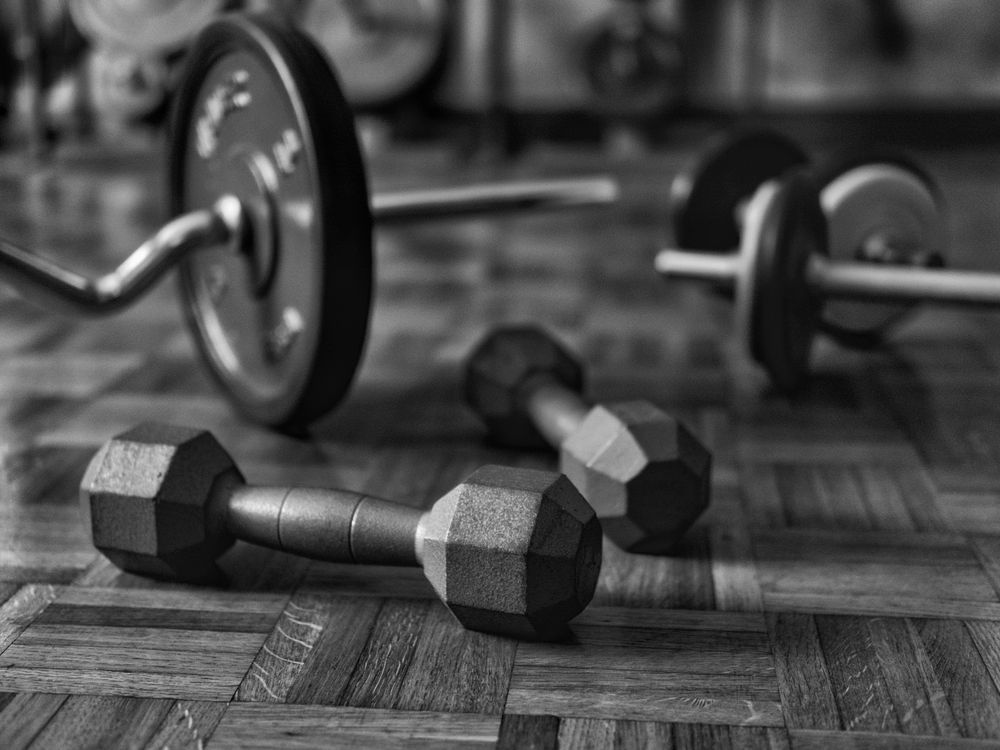
How does it help during exercise?
Muscles use a molecule called ATP as an immediate energy source. Stored phosphocreatine, a form of creatine, helps rebuild ATP quickly when demand rises.
Think of repeated sets of squats or short sprints with recovery between them. Creatine supports that rapid energy supply. It does not provide the same clear benefit for sustained endurance activities, such as a long, steady run. NIH explanation
Can it improve strength and muscle growth?
The overall evidence supports adding creatine to resistance training, meaning exercise that makes muscles work against weights, bands, or other resistance. A 2026 meta-analysis combining 63 studies found greater average strength and lean-mass gains than training alone. Results varied with participants and study methods.
“Lean mass” includes water and other nonfat tissue, not just muscle. Studies that measure muscle size more directly suggest a small additional growth benefit, rather than a dramatic change. Muscle-size review
Individual trials do not all agree. A 2025 randomized study found an early lean-mass increase before training began, but no additional increase during the following training period compared with the control group. That illustrates why an early scale or scan change should not be called new muscle. Consistent training remains central.

What does the research show in women?
Women have been studied, but the evidence is less certain than broad marketing claims suggest. An early trial in 19 women found that creatine improved progress during resistance training compared with placebo. Its small size limits how widely we can apply the results.
A 2026 female-specific systematic review found possible small improvements in selected strength, power, and lean-mass measures. However, it rated the evidence low or very low certainty because studies differed substantially and had methodological limitations.
The practical conclusion: women may benefit, but research cannot promise the same result for every age, training background, or life stage. It also does not establish a special “women's creatine” formula as necessary.
What about aging, memory, or concentration?
For older adults, distinguish muscle research from brain research. A 2026 review in postmenopausal women found modest lean-mass and strength benefits, especially when creatine accompanied resistance training. Bone density did not improve overall. This does not establish creatine as a treatment for osteoporosis or aging itself.
Cognitive findings remain mixed. A 2024 meta-analysis reported benefits on some memory measures, but not overall cognition or executive function, which includes planning and managing tasks. A separate systematic review found inconsistent cognitive results and weaknesses in study design.

Creatine may have future uses in this area, but the evidence does not justify promising sharper thinking or dementia prevention.
Which form and amounts have researchers studied?
Creatine monohydrate has the largest evidence base. A more expensive form is not automatically more effective.
Common study protocols use 3 to 5 grams daily. Some begin with an optional “loading” phase: about 20 grams daily, divided into four 5-gram portions, for five to seven days, followed by the smaller daily amount. Loading fills muscle stores faster; it is not required. These are research protocols, not a personal prescription. OPSS guidance
When should you take it, and how long does it take?
A classic human muscle-loading study found that 3 grams daily increased muscle creatine gradually over about four weeks, compared with roughly a week using a loading protocol. Increased stores do not guarantee a noticeable performance change on a particular day.
There is no established best minute to take it. A small 2021 timing trial found no difference in training gains between taking it before or after exercise. Following a consistent regimen matters more practically than treating creatine as an instant pre-workout boost.
Will it cause weight gain or stomach problems?
Early weight gain can reflect increased water in muscle, particularly during loading. That is different from gaining body fat, and it does not mean all extra weight is new muscle.
Some people report bloating, nausea, or diarrhea. Higher amounts can be harder to tolerate. Loading is optional, and study loading protocols split the total across the day rather than taking it all at once. Persistent symptoms deserve a conversation with a clinician. Side effects and dosing
What should you know about safety?
Evidence in healthy adults is generally reassuring at studied amounts, but it does not cover every medical situation. Discuss use with a clinician if you have kidney disease, are pregnant or breastfeeding, or take medicines that could affect kidney function. Breastfeeding safety data are limited. LactMed
Tell the clinician ordering blood tests if you use creatine. It can raise creatinine, a waste product used to estimate kidney function. That alone does not prove kidney damage. A 2026 review of randomized trials found higher creatinine without a significant change in estimated kidney filtration, while calling for more long-term research. Abnormal results still need clinical interpretation.
Are gummies as effective as powder?
Do not assume that a gummy matches a studied powder simply because both say “creatine.” Compare:
- Amount and form: Find the grams of creatine monohydrate per full serving, not just the weight of a blend.
- Serving size: Check how many gummies supply that amount. For example, a hypothetical label listing 3 grams per three gummies means 1 gram per gummy.
- Other ingredients: Compare added sugar and sweeteners across the complete serving.
- Stability: Look for evidence that the finished product retains its labelled amount through its shelf life.
- Independent testing: Verify the exact product in the testing organization's directory. Check what was tested, including ingredient amounts and contaminants.
Laboratory stability research shows that moisture conditions and temperature affect creatine degradation. This is a reason to request formulation-specific evidence, not proof that every gummy fails.
Independent certification can help assess contents; it does not establish identical exercise results. Blushmallow is not claiming a verified gummy dose, stability, or benefit here.
The takeaway
Creatine monohydrate can support repeated intense exercise and strength training. Benefits vary, women's research has important gaps, and brain-health claims remain emerging. Check the form, actual serving amount, and product testing before choosing a powder or gummy.
Sources
- NIH: exercise and athletic performance Link
- Resistance training meta-analysis, 2026 Link
- Muscle-size meta-analysis, 2023 Link
- Lean-mass randomized trial, 2025 Link
- Women and resistance training trial, 1997 Link
- Female-specific systematic review, 2026 Link
- Postmenopausal women meta-analysis, 2026 Link
- Cognition meta-analysis, 2024 Link
- Cognition systematic review, 2024 Link
- OPSS: creatine monohydrate guidance, 2025 Link
- Muscle-loading human study, 1996 Link
- Supplement timing human trial, 2021 Link
- LactMed: creatine during breastfeeding Link
- Kidney-function trial meta-analysis, 2026 Link
- Laboratory stability study, 2009 Link
- NSF: independent supplement certification Link